Cafe Food Pairing Ideas That Delight Customers
@titusamek399
November 18, 2026 · 15 min read
A strong cafe menu does more than offer good coffee and a few things to eat. The best cafes create combinations that feel easy, satisfying, and just a little memorable. A customer may walk in planning to order only a flat white, then notice a citrus loaf beside the till and suddenly the whole visit feels more complete. That is not accidental. It is pairing.
Good pairing increases average spend, but the commercial benefit is only part of the story. When food and drink work together, customers stay longer, enjoy the experience more, and become more likely to return with a clear favorite in mind. Staff also find it easier to make suggestions when pairings are thoughtfully designed rather than improvised on the spot.
The cafes that get this right usually do not chase novelty for its own sake. They understand contrast, balance, texture, temperature, and timing. They know that a breakfast pastry behaves differently next to a cappuccino than it does next to a bright filter coffee. They know that a lunchtime sandwich should not flatten the flavor of the drink that comes with it. Most of all, they know their own customer base. A neighborhood commuter cafe needs different pairings than a destination brunch spot.
What makes a pairing feel right
Customers rarely describe pairings in technical language. They are more likely to say that something felt “too heavy,” “really fresh,” or “surprisingly good together.” Behind those reactions are a few practical forces.
Sweetness is usually the first one to manage. Milk drinks such as lattes and cappuccinos naturally soften bitterness, so they can carry slightly less sweet baked goods without making them feel austere. Black coffee tends to sharpen acidity and roast notes, which can make sugary pastries taste even sweeter. That is why a buttery croissant often feels elegant with an Americano, while an iced mocha beside a frosted muffin can slip into sugar overload by the third bite.
Texture matters nearly as much as flavor. A crisp, laminated pastry with a silky flat white works because the mouthfeel alternates. A soft banana bread with a thick smoothie can feel monotonous unless something bright, such as toasted walnuts or tangy yogurt, breaks it up. Contrast keeps the palate interested.
Temperature also changes the experience. Warm food and warm drinks create comfort, but too much warmth can make a pairing feel flat. Cold brew next to a toasted ham and cheese has lift because the chilled drink cuts through richness. An iced matcha with a fresh fruit scone can feel cleaner and more modern than the same scone with a heavy hot chocolate.
Then there is intensity. Delicate foods disappear beside assertive drinks. A lightly dressed cucumber tea sandwich may be lovely, but it will struggle next to a dark roast drip coffee. It fares much better with green tea, a floral iced tea, or a softer filter profile.
The practical lesson for any cafe is simple. Pairings should either echo one another in a flattering way or create a contrast that makes both items more interesting. When both food and drink compete for dominance, neither wins.
Start with your drinks, not your pastry case
Many operators build pairings the wrong way around. They order a standard pastry range, fill the cabinet, then hope the drinks menu will somehow support it. In practice, the stronger method is to begin with the beverages that define the cafe.
If espresso-based drinks are your core business, build foods that complement milk, chocolate, caramel, and roast notes. That may mean almond croissants, cinnamon buns, dark chocolate cookies, savory breakfast rolls, and not-too-sweet tea cakes. If your identity leans toward single-origin filter coffee, the food can be lighter and more nuanced. Think lemon loaf, berry scones, cardamom buns, ricotta toast, or simple sandwiches with fresh herbs and restrained sauces.
A matcha-led cafe is a different case again. Matcha brings grassiness, creaminess, and a faint bitterness that pairs beautifully with vanilla, sesame, white chocolate, strawberry, yuzu, and light dairy. In that environment, a dense chocolate brownie may still sell, but it is less naturally aligned with the house style than a black sesame muffin or a strawberry cream sand.
When I have helped review cafe menus, the clearest improvement often comes from removing items that are decent in isolation but awkward with the beverage mix. One cafe had an excellent spicy tuna melt, but its drink sales were dominated by lightly roasted batch coffee and herbal teas. The sandwich overpowered both. Replacing it with a roast chicken, tarragon, and grape focaccia made the whole menu feel more coherent, and attachment rates improved because staff could recommend it confidently.
Morning pairings that feel effortless
Breakfast trade is where pairings do some of their best work because customers are often moving quickly and appreciate gentle guidance. They do not want a lecture. They want confidence and speed.
A cappuccino with a butter croissant is classic because it covers several needs at once. The drink is creamy and aromatic, the pastry is flaky and salty-sweet, and neither overwhelms the other. It suits customers who want something familiar and portable. This pairing works especially Cafe bennies.cafe well in commuter-heavy locations where service time matters.
For customers who prefer black coffee, a pain au chocolat often lands better than a very sweet iced bun. The coffee reins in the chocolate, while the pastry adds enough indulgence to make the visit feel like more than fuel. If your roast profile is darker, this is a safe and profitable match.
Tea deserves more serious treatment in pairing strategy than many cafes give it. Earl Grey with lemon drizzle loaf can be excellent, but so can English breakfast with a bacon and tomato brioche. Tea drinkers often appreciate savory pairings because they feel less obvious and less sugar-driven. In several cafes I have seen, the tea customer actually spends well when offered a thoughtful food option rather than a default cookie.
A flat white with banana bread remains dependable, but it benefits from detail. If the banana bread includes toasted pecans and only moderate sweetness, the pairing feels adult and balanced. If it is sticky, dense, and heavily glazed, the milk drink can make the whole thing drag. The difference is not minor. It affects whether customers finish both items with pleasure or leave half on the plate.
For a lighter morning option, a small yogurt pot with granola and seasonal fruit can pair well with filter coffee or a clean iced tea. It attracts customers who want breakfast without the bakery heaviness, especially in warmer months.
Savory pairings that hold up through lunch
Lunch pairings are trickier than breakfast because savory food tends to dominate drinks if it is too salty, spicy, or rich. The goal is not to neutralize lunch, only to stop it from bulldozing the cup beside it.
A good example is the toastie. Toasties sell because they are comforting, fast, and easy to produce consistently. But not every toastie belongs next to every drink. A mature cheddar and onion toastie beside a flat white can be delicious because the dairy in the drink softens the onion and supports the cheese. The same toastie next to a bright Kenyan filter can create a jarring clash. In that case, a black tea or a lower-acid house coffee usually performs better.
Chicken sandwiches are useful because they are adaptable. Roast chicken with pesto and mozzarella pairs comfortably with an iced latte, particularly in spring and summer when customers want something filling but not too heavy. Chicken with mustard mayo and pickles asks for a drink with enough body to stand up to it, perhaps a stronger batch brew or a chai latte. The sandwich remains approachable, but the pairing feels intentional.
Avocado on sourdough is common enough to be forgettable unless the beverage match sharpens it. Pair it with a citrusy filter coffee and the acidity can brighten the avocado and cut through olive oil. Pair it with a matcha latte and the result becomes softer, greener, almost spa-like. Neither is wrong. They simply tell different stories about the same dish.
Savory bakes, especially in cafes with limited kitchen space, offer strong pairing potential. A spinach and feta roll with a long black can be excellent, as the salt and pastry richness pull pleasant chocolate notes from the coffee. A mushroom quiche with a flat white leans into earthy comfort. These pairings work because the food has enough presence to satisfy at lunch without making the drink irrelevant.
Cakes, bars, and slices that sell more when matched correctly
The dessert case is where many cafes leave money on the table. Customers often need a nudge to add a cake or square after they have already chosen a drink. The nudge is far more effective when it is specific.
Rather than asking, “Would you like something sweet with that?” staff can say, “Our orange and almond cake goes really well with that long black.” The suggestion feels personal and lower risk. It gives the customer a reason beyond appetite.
A few pairings tend to work across many concepts:
- flat white with carrot cake, especially when the frosting is not overly sweet
- long black with almond biscotti or a not-too-sugary shortbread
- chai latte with cinnamon loaf, apple cake, or oat cookies
- hot chocolate with salted caramel brownie, preferably in a modest portion
- black tea with Victoria sponge, scones, or jam-filled bakes
The key detail is portion control. Dense sweets paired with rich drinks can become fatiguing fast. Smaller slices often perform better than oversized ones because customers feel more comfortable adding them on impulse. In one cafe I worked with, reducing brownie size by about a quarter improved sell-through. Customers still felt indulgent, but the pairing with hot drinks no longer seemed excessive.
There is also a timing issue. Some sweets sell best in the morning, others in the afternoon. Lemon loaf, almond cake, and plain scones have strong morning appeal because they read as acceptable with coffee before noon. Brownies, cookie sandwiches, and richer tray bakes tend to peak later. A smart cafe plans pairings around these rhythms instead of treating the pastry case as static all day.
Seasonal pairings keep the menu alive
Customers do notice when pairings change with weather, even if they could not articulate why the menu suddenly feels fresher. Seasonal shifts are one of the easiest ways to make a cafe feel attentive without redesigning the whole offer.
In colder months, pairings can lean into warmth, spice, and comfort. Think chai with ginger cake, mocha with hazelnut loaf, soup with a toasted cheese sandwich, or a cinnamon bun with a dark filter coffee. These combinations feel generous and familiar, which matters when customers are seeking shelter as much as refreshment.
In warmer months, brightness and lift become more valuable. Cold brew with a turkey and salad sandwich, iced matcha with strawberry cake, sparkling citrus drinks with olive oil loaf, or peach iced tea with a goat cheese tart all feel cleaner. Customers often want food that satisfies without slowing them down.
The most successful seasonal pairings are usually the simplest. A scone changes character depending on whether it is served with rhubarb jam in spring or spiced plum preserve in autumn. A basic iced latte becomes more pairable when the bakery shifts from sticky buns to lemon poppy seed loaf. Small adjustments can create a strong sense of seasonality without adding operational strain.
Pairings for different customer moods
One thing that separates a polished cafe from a Cafe merely competent one is its awareness of why customers are there. The same person may want a different pairing on different days. Monday morning is not Saturday afternoon.
Some pairings serve function first. A large latte and a breakfast roll meet the needs of a commuter who wants warmth, calories, and speed. Other pairings are there for the lingering customer. A hand-brewed filter coffee with a small slice of walnut cake invites time and attention. Then there are social pairings, the ones people order when meeting a friend and wanting something a little more generous, like iced drinks with shared pastries or tea with a scone set.
This is where menu language matters. A cafe that describes pairings in a stiff or overly clever way can make ordering feel self-conscious. Better to keep the language warm and concrete. “Great with our house filter” works. “Pairs beautifully with delicate stone-fruit aromatics” may impress a minority and alienate everyone else.
Customers also respond to permission. If a menu quietly indicates a few reliable combinations, many people feel relieved rather than sold to. They do not have to guess. A well-placed note next to two or three items can steer choice without turning the menu into a hard-sell tool.
Training staff to suggest pairings naturally
Even a thoughtfully designed menu underperforms if staff cannot talk about it comfortably. The best pairing recommendations sound like genuine hospitality, not a script.
What helps most is a short internal framework that gives staff confidence. They do not need formal tasting language. They need to know what is rich, what is light, what is sweet, and what the regulars usually enjoy. In training, I prefer actual tasting over theory. Let the team try a cappuccino with the banana bread, then with the lemon loaf. They will quickly understand why one combination feels round and the other brighter.
A useful staff habit is to suggest pairings based on the drink the customer has already chosen. If someone orders a black coffee, recommend something buttery, nutty, or lightly sweet. If they order a sweet iced drink, steer them toward simpler pastries or savory food. That keeps the total experience balanced.
The suggestions that usually work best at the counter have a few shared qualities:
- they are short enough to deliver during a queue
- they sound specific rather than generic
- they respect budget and appetite
- they can be made consistently by every shift
- they are based on items that are actually available and fresh
One warning is worth stating clearly. Do not push pairings that create disappointment. If the pastry quality is inconsistent by late afternoon, staff should not be trained to keep recommending it just to lift ticket size. Short-term upselling is rarely worth the damage to trust.
Designing pairings that make business sense
A pairing has to work financially as well as sensorially. Some combinations are beloved by chefs and baristas but awkward in service, too costly, or too fragile for a busy cafe environment.
The most practical pairings usually share ingredients, prep methods, or merchandising logic. If your kitchen already uses roasted vegetables for lunch bowls, those vegetables can appear in a focaccia that pairs with iced tea or batch coffee. If your pastry supplier offers a strong plain scone, seasonal jams can refresh the pairing without complicating labor.
Margin matters, but so does waste. A cafe may dream of offering delicate tartlets that pair beautifully with espresso, yet if they stale quickly and sell erratically, the pairing is not truly successful. The better choice may be a sturdy almond cake that slices cleanly, holds for service, and matches multiple drinks. Versatility is often more valuable than perfection.
Bundling can help, but only when it feels fair. A breakfast pairing offer, such as coffee plus pastry for a modest discount, can increase volume and simplify choices during peak hours. The same tactic at lunch requires more care. Customers notice quickly if the “deal” limits them to the least desirable drink options or awkward food combinations.
Good pairings also help inventory planning. If a certain loaf sells strongly with tea in the afternoon, you can bake or order to that rhythm. If a richer cake underperforms except on weekends, adjust production rather than assuming demand is constant. The point is not to force the customer into your stock problem. The point is to understand which combinations genuinely move together.
A few combinations that rarely miss
Some pairings endure because they solve a simple pleasure with almost no friction. A cappuccino and almond croissant. A batch brew and blueberry muffin. A chai latte and apple loaf. A toasted cheese sandwich and tomato soup with black tea on the side. None are revolutionary. All can be excellent if the quality is there.
What separates a forgettable version from a delightful one is attention to detail. Is the croissant truly crisp? Is the muffin too sweet for the coffee? Does the chai spice complement the cake or drown it? Is the toastie greasy enough to blunt the drink? These are small questions with real commercial impact.
The strongest cafe menus make pairings feel inevitable. Customers order them almost without thinking, then remember them later because the experience felt complete. That is the real target, not novelty, not complexity, and not forced sophistication. A cafe wins when the customer leaves feeling that the drink and the food belonged together, and that coming back for the same combination would be a very good idea.
Bennies Cafe
17230 Jackson Creek Pkwy Ste 100, Monument, CO 80132
+1 719-445-0660
FAQ About Cafe
What is considered a café?
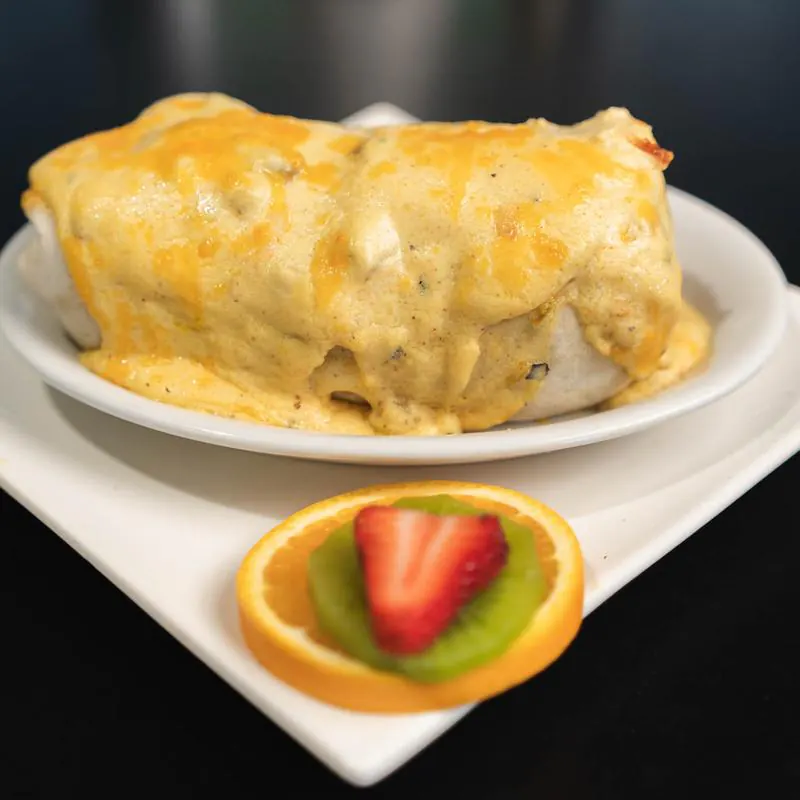
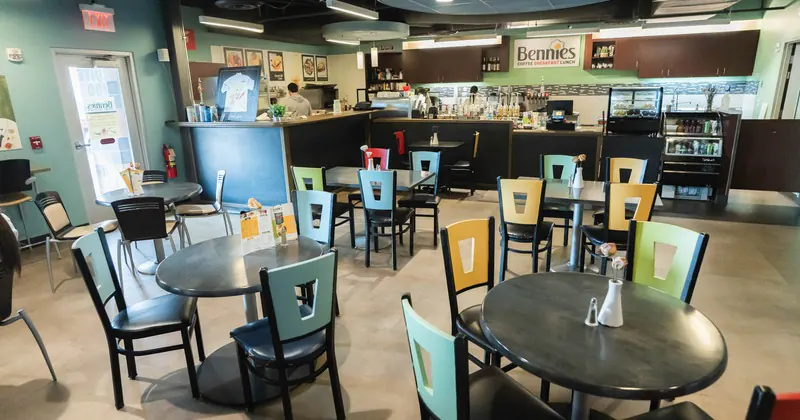
A café is generally an informal place to enjoy refreshments and a meal. Bennies Cafe in Monument serves breakfast and lunch in a counter-service setting, with options including eggs Benedict, sandwiches and crepes. Guests can eat in or arrange pickup.
What is the difference between a coffee shop and a café?
The terms often overlap. A coffee shop usually emphasizes coffee and other drinks, while a café may offer a broader food menu. Check the individual establishment's menu rather than relying on its name. Bennies Cafe offers coffee drinks alongside breakfast and lunch dishes.
What is the difference between café and coffee?
In everyday English, a café is a place where people buy food and drinks, while coffee is the beverage. The word café comes from the French word for coffee. Bennies Cafe serves options such as brewed coffee, espresso and lattes as part of its drinks menu.