How a Cafe in Monument, CO Supports the Local Community
@titusamek399
October 28, 2026 · 15 min read


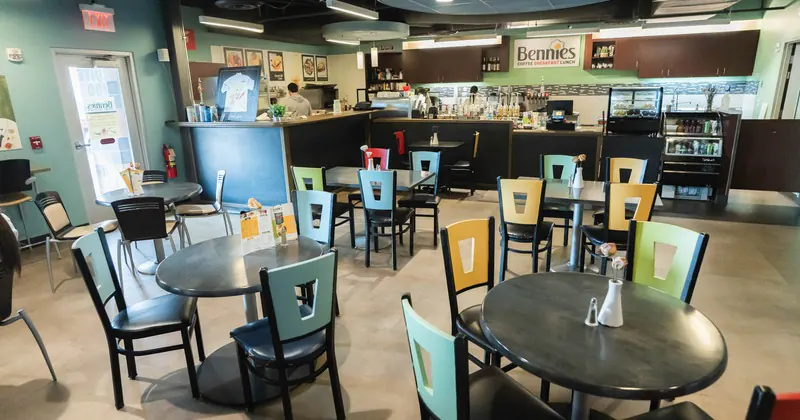
A good neighborhood cafe does far more than pour coffee and warm pastries. In a town like Monument, Colorado, it can become part meeting place, part informal office, part fundraiser, part bulletin board, and part social anchor. People tend to notice the drinks first, then the food, then the atmosphere. What often goes unseen is the slow, steady work a local cafe does to strengthen the place around it.
That matters in Monument because the town sits in a distinctive position. It has small-town expectations, Front Range growth pressures, and a customer base that includes longtime residents, young families, commuters, retirees, military households, and visitors moving along Interstate 25. A local business that serves all of those groups well becomes more than convenient. It becomes connective tissue.
When people search for a Cafe Monument, CO residents actually return to, they are usually looking for something harder to define than menu variety. They want consistency, friendliness, and a sense that spending money there keeps value circulating close to home. They want the kind of place where the staff remembers a regular’s order, where a local school flyer can still find a spot on a corkboard, and where a rainy weekday morning does not feel quite so anonymous.
A cafe gives people a place to gather without much friction
The first and most obvious way a cafe supports the local community is by offering an easy, low-barrier place to meet. Restaurants often ask for more time and money. Bars exclude part of the day and part of the population. Public buildings have schedules, rules, and limited comfort. A cafe fills the gap.
Two parents can talk after school drop-off over drip coffee. A real estate agent can meet clients without renting a conference room. A pastor, nonprofit volunteer, or scout leader can spread out papers for an hour and plan an event. High school students can stop in after class. Remote workers can buy a refill and settle in for the morning. None of that sounds dramatic, but this kind of routine gathering is what makes a town feel socially intact.
In practice, the value is cumulative. A cafe becomes a place where information moves naturally. One table discusses a youth sports registration deadline. Another compares notes on road conditions after fresh snow. Someone overhears that a local family needs meal support after surgery. Within a few hours, people know where help is needed. This is how local awareness still works in smaller communities, even in an age of group texts and neighborhood apps.
I have seen this pattern in many towns. The businesses that become indispensable are rarely the flashiest. They are the ones that make it easy for people to show up, stay a while, and cross paths with neighbors they would not otherwise meet.
The dollars spent there do not stop at the register
A local cafe’s economic impact tends to be underestimated because each transaction is small. A latte here, breakfast sandwich there, maybe a box of pastries for an office meeting. But repeated across hundreds of transactions a week, that spending adds up, and it spreads.
A cafe in Monument typically employs baristas, kitchen staff, shift leads, managers, and cleaners. Even a modest operation can provide part-time work for students and caregivers who need flexible hours, along with full-time roles for workers building hospitality experience. Those wages are then spent at local grocery stores, gas stations, auto shops, and other businesses nearby.
The ripple effect extends to vendors. Some cafes source from regional bakeries, Colorado roasters, local honey producers, nearby dairies, or small farms when seasonal supply allows. Not every ingredient can be local all the time, and any honest operator will say so. Coffee itself often travels long distances before roasting. Paper goods and specialty items may come through national distributors. Still, even partial local sourcing matters. Buying bread from a local bakery or featuring preserves from a small Colorado producer keeps more of the budget tied to regional business networks.
There is also the less glamorous spending that sustains local trades. Cafes need plumbers, electricians, equipment technicians, window washers, linen services, internet support, trash removal, and occasional carpentry. A single espresso machine repair call might not sound like community development, yet these are exactly the routine service relationships that help a local economy stay durable.
It offers first jobs and practical training
For many people, a cafe is where working life begins. That matters more than it gets credit for. Entry-level hospitality jobs teach punctuality, cash handling, cleanliness standards, conflict management, and how to stay composed under pressure. Those are transferable skills in any industry.
In a town like Monument, where many teenagers and young adults are looking for experience that fits around school schedules, a local cafe can be a meaningful training ground. Staff learn what it means to arrive before sunrise, prep a station, greet people who have not yet had coffee, and keep quality steady during a rush. They learn that friendliness is not the same as forced cheerfulness. They learn to solve small problems without creating larger ones.
Managers in strong cafes also train judgment. When should a drink be remade with no questions asked? When should a customer be gently told that a request will take longer? When is it worth comping a pastry because the kitchen is behind? These are not trivial decisions. They shape a worker’s confidence and sense of professionalism.
Over time, a cafe can quietly build local talent. A barista becomes a shift lead. A shift lead moves into inventory or scheduling. Someone discovers an interest in baking, bookkeeping, event planning, or small-business ownership. Not every employee stays in food service, nor should they have to. The value is in the foundation.
The best cafes become informal civic spaces
Small towns still need places where civic life can happen casually. Monument has formal institutions, of course, but many community relationships begin in ordinary spaces before they move into official channels. A cafe is well suited for this role because it invites short visits and longer stays without much ceremony.
You see it during election season, when residents discuss local issues over breakfast before work. You see it when a teacher meets a parent outside the pressure of school pickup. You see it when a veteran service group coordinates a memorial event, or when a few business owners gather to compare notes on tourism, staffing, or construction slowdowns. A cafe can host these exchanges without turning them into performances.
There is real value in a place that allows civil contact among people who do not share the same routines or views. In larger cities, those interactions are easier to avoid. In smaller communities, avoiding them comes at a cost. A healthy town needs neutral spaces where people can be regulars together before they agree on anything else.
This is especially important in a growing area. Growth brings fresh energy and fresh tension. New residents may not know local customs yet. Longtime residents may feel protective of what they built. A well-run cafe softens that friction simply by making repeated, low-stakes interaction possible.
Local events gain a reliable partner
One of the clearest ways a cafe supports the community is through event participation. Sometimes that means direct sponsorship. Sometimes it means donating coffee for a school function, setting out a tip jar for a family in crisis, staying open late during a holiday walk, or helping an artist hang work on the wall for a month.
None of this is free for the business. Donated product has a real cost. Labor for extended hours can be difficult to schedule. Community requests can pile up quickly, especially in a town where everyone knows a fundraiser that deserves support. Owners have to make careful choices. If they say yes to everything, they risk burning out staff and undermining margins. If they say no to everything, they lose the very local trust that distinguishes them from chain competitors.
The strongest operators usually find a middle path. They choose causes that connect directly to the community, local schools, youth programs, veterans’ organizations, libraries, church events, and emergency family needs. They create boundaries and stick to them. For example, they may donate coffee once a month, rotate which school receives support each quarter, or reserve a specific evening for small gatherings. That structure helps them remain generous without becoming unsustainable.
Customers notice the difference. A cafe that supports local events in a thoughtful, organized way tends to earn loyalty that cannot be bought through advertising alone.
A bulletin board can still matter
It is easy to dismiss old-fashioned community tools, especially when social media handles so much local communication. Yet a physical space changes what people notice. A flyer seen while waiting for a cappuccino reaches people who might never join the relevant Facebook group. A stack of postcards at the register can introduce a new tutoring service, craft market, music lesson studio, or charity run. A table tent advertising a canned-food drive may prompt someone to act immediately.
That kind of visibility is especially useful for small organizations with limited marketing budgets. Not every local group has a polished website or a staff member dedicated to outreach. A cafe gives them a real-world point of contact.
There is another benefit. Physical posting introduces a bit of curation. Most cafe owners are careful about what they display because the space reflects on the business. That means customers often trust the information more than they would trust a random online post. The signal-to-noise ratio is better.
It can support mental well-being in ordinary ways
Community support is not only financial or civic. It is emotional. A dependable cafe can improve daily life by reducing isolation. This matters in every town, but perhaps especially in places where winter weather, remote work, caregiving demands, or life transitions can leave people feeling cut off.
A retiree who lives alone may come in each morning for the same drink and a brief conversation. A parent with a new baby may need exactly twenty quiet minutes and a warm scone to feel human again. Someone job hunting may need a change of scenery and stable Wi-Fi. A caregiver may get a rare hour to sit without being needed by anyone. These moments are not dramatic enough to make headlines, but they are often what sustain people.
Good staff understand this instinctively. They know when to chat and when to leave someone in peace. They notice when a regular has not come in for a while. They learn which customers want speed and which want a bit of connection. That social intelligence is part of the service, though it never appears on the menu board.
A cafe does not replace deeper forms of support, and no business should be expected to solve loneliness on its own. Still, the presence of a welcoming third place, neither home nor work, has a measurable effect on how connected people feel to where they live.
Local identity is shaped by places people remember
Ask people what they like about a town and they rarely begin with zoning, tax structure, or utility planning, even though all of those things matter. They talk about where they meet friends, where they take visiting family, where they stop after a hike, where they celebrate a small victory, or where they recover from a hard week. In other words, they talk about lived places.
A local cafe helps create that identity. In Monument, that might mean offering a warm place after a cold, windy morning, serving commuters before they head south, or giving families a reliable stop on weekends. It might mean decorating for the holidays, featuring local art, or naming drinks in a way that nods to regional landmarks without turning the place into a gimmick.
That sense of identity is not trivial. It affects whether residents feel proud to bring people into town. It affects whether newcomers feel welcomed. It affects how local business districts compete with generic retail corridors that could be anywhere.
When a Cafe Monument, CO community members recommend becomes part of the town’s story, it strengthens the area’s character in a way that chain uniformity never quite can.
The trade-offs are real, and they shape what support looks like
It is worth being honest about the pressures local cafes face, because community support only works if the business survives. Food costs fluctuate. Coffee prices can rise. Rent, insurance, and utilities rarely move downward. Staffing a hospitality business is demanding, particularly with early mornings and weekend traffic. Customers often want the warmth of a neighborhood spot while also expecting chain-level speed, broad customization, and stable prices. Those demands do not always fit together.
That is why community-minded decisions often involve trade-offs. A cafe may choose to close a little earlier rather than overextend staff. It may limit free meeting-room use because the table turnover is too important on busy mornings. It may raise prices by a small amount instead of reducing quality. It may simplify the menu to protect consistency.
From the outside, those choices can look less generous. From the inside, they are often what keeps the doors open. In my experience, customers respond well when owners are transparent and steady. People do not need perfection. They need to know the business is operating with care and sound judgment.
Customers play a part in the ecosystem too
Community support runs both ways. Residents often say they want independent businesses to thrive, but the outcome depends on repeated habits, not sentiment alone. A local cafe benefits most when people use it as part of real life, not just as an occasional symbol of local pride.
That can look simple. Buying a bag of beans as a host gift instead of defaulting to a big-box purchase helps. Ordering catering for an office meeting through the cafe rather than a national chain keeps dollars local. Tipping fairly during a rush acknowledges labor that is easy to overlook. Being patient when a five-drink order takes time respects the limits of a handmade service model.
There is also a civic version of customer support. Residents can recommend the cafe to new neighbors, bring out-of-town guests there, attend the events it hosts, and speak up when they see the business contributing in meaningful ways. Local loyalty works best when it becomes visible and habitual.
What to look for in a truly community-minded cafe
Not every independently owned shop functions as a community anchor, and that is fine. Some businesses are designed for speed and convenience. Others build their reputation around craft quality alone. But if you want to recognize a cafe that genuinely supports Monument, certain signs tend to stand out.
You will notice staff who know the rhythms of the neighborhood. You will see regulars from different age groups sharing the same room comfortably. You may find a wall with local art, a flyer for a school event, or a small fundraiser at the register. You will probably hear employees greet people by name. Over time, you will see evidence that the owners understand the place they operate in, not just the transactions that keep it going.
The most telling sign is consistency. Anyone can host a charity day once. Sustained community support looks quieter than that. It appears in months and years of reliable service, fair treatment of staff, small acts of generosity, and a willingness to stay rooted even when business conditions are difficult.
That is what Bennies Cafe Cafe Monument, CO gives a local cafe its real importance. It serves coffee, yes. It also helps a town recognize itself.
Why this matters for Monument
Monument is the kind of town where local institutions still shape the pace and feel of daily life. As growth continues along the Front Range, preserving those institutions becomes more important, not less. A cafe can absorb some of that change gracefully. It can welcome new residents, support established families, provide work, host conversation, and keep money circulating in the region. It can make the town feel more neighborly without ever announcing that as its mission.
That is the quiet strength of a local cafe. It does not need to solve every problem or become everything to everyone. It simply needs to do a lot of small things well, over and over, in a way that reflects the people just outside its doors.
When that happens, a Cafe Monument, CO residents care about becomes more than a place to grab a drink. It becomes part of the community’s operating system, practical, familiar, and deeply woven into everyday life.
Bennies Cafe
17230 Jackson Creek Pkwy Ste 100, Monument, CO 80132
+1 719-445-0660
FAQ About Cafe Monument, CO
What is considered a café?
A café is generally an informal place to enjoy refreshments and a meal. Bennies Cafe in Monument serves breakfast and lunch in a counter-service setting, with options including eggs Benedict, sandwiches and crepes. Guests can eat in or arrange pickup.
What is the difference between a coffee shop and a café?
The terms often overlap. A coffee shop usually emphasizes coffee and other drinks, while a café may offer a broader food menu. Check the individual establishment's menu rather than relying on its name. Bennies Cafe offers coffee drinks alongside breakfast and lunch dishes.
What is the difference between café and coffee?
In everyday English, a café is a place where people buy food and drinks, while coffee is the beverage. The word café comes from the French word for coffee. Bennies Cafe serves options such as brewed coffee, espresso and lattes as part of its drinks menu.