Why Every Coffee Fan Should Explore Monument, CO Cafes
@titusamek399
October 28, 2026 · 14 min read
Coffee towns often earn their reputation by scale. They have dense downtown blocks, long roaster lineups, and enough foot traffic to support experimental menus that change with the weather. Monument, Colorado works differently. It does not overwhelm you with options. It wins you over with character, consistency, and the kind of local café culture that grows slowly and honestly.
That is exactly why serious coffee drinkers should pay attention to it.
Monument sits in a stretch of Colorado where the pace feels a little more breathable than Denver and a little less transient than some Front Range hotspots. The town has mountain-town sensibilities without performing for tourists every minute of the day. That matters when you are looking for a genuinely good café experience. The best coffee scenes are not always the loudest. Sometimes they are tucked into communities where regulars know the baristas by name, where owners care about service as much as sourcing, and where cafés function as third places rather than branded backdrops.
If you have ever written off small-town coffee as limited, over-sweetened, or stuck in the dark-roast era, Monument has a good chance of correcting that assumption. A strong Cafe Monument, CO experience is not about sheer novelty. It is about finding thoughtful drinks, welcoming rooms, and businesses that understand what coffee actually does for a community.
The appeal starts with pace
One of the first things coffee fans notice in Monument is that cafés tend to invite lingering. That sounds simple, but it is not common anymore. In many busy metro areas, coffee shops are under pressure to turn tables quickly, move mobile orders fast, and treat hospitality like an efficiency problem. Monument cafés often feel more balanced. The workflow still matters, especially during morning rushes, but the environment usually leaves room for conversation, reading, remote work, or a quiet reset between errands.
That slower rhythm changes how coffee tastes and how people experience it. A cappuccino in a rushed setting can feel transactional. The same drink in a café where the room is calm, the seating is comfortable, and the staff has a minute to answer a question becomes something richer. You pay more attention. You notice whether the milk texture is glossy or airy. You catch the sweetness in the espresso instead of drinking around the heat. You remember the place.
For anyone who loves coffee beyond caffeine, pace is not a minor detail. It is part of the product.
Monument also benefits from geography. The area’s light, climate, and backdrop create the kind of atmosphere that pairs naturally with café culture. Cool mornings practically ask for a hot cup and a window seat. Afternoon coffee breaks feel earned after a hike, a bike ride, or even a simple walk through town. You do not need a dramatic itinerary to enjoy a café here. Monument makes the everyday coffee run feel like a small occasion.
Small-town cafés often care more than chain stores can
Chains have their place. They are predictable, easy to find, and useful when convenience matters more than discovery. But if you care about coffee craft, independent cafés almost always offer better reasons to pay attention. Monument is no exception.
Local café operators tend to make decisions closer to the cup. They choose beans because they like them, not because a national supply agreement says they should. They can adjust recipes, rotate pastries, or train staff around their actual customers instead of a universal model. You see it in the details. Espresso shots are dialed in for the day’s humidity. Drip coffee tastes fresh rather than burnt from sitting too long. Seasonal specials feel grounded in local preferences instead of a marketing calendar.
That flexibility creates better experiences, but it also produces more variation. One café might lean toward classic espresso drinks and reliable breakfast offerings. Another may put more energy into pour-over service, house-made syrups, or a cozier reading-room atmosphere. For coffee fans, that is a gift. It means exploring Monument is not just about checking off cafés. It is about noticing each shop’s priorities and deciding what kind of coffee moment fits your day.
I have always found that smaller café scenes reward repeat visits more than one-time drop-ins. On the first visit, you notice the décor, the menu, and maybe whether the latte art is sharp. By the third or fourth visit, you start to see whether the café has depth. Are the drinks consistent? Does the staff care enough to make small adjustments? Does the pastry case feel curated or random? In towns like Monument, those answers tend to come through clearly.
The coffee itself often surprises people
There is still a stubborn misconception that excellent coffee belongs mainly to larger cities. That idea is outdated. Quality green coffee is more accessible than it used to be, roasting knowledge is more widely shared, and customers are more informed. Even in smaller communities, many cafés now understand extraction, milk chemistry, and menu design at a level that would have seemed unusual twenty years ago.
What often surprises visitors in Monument is not just that the coffee is good, but that it is intentionally good. You can tell when a shop is treating coffee as a craft rather than a side business. The espresso has structure. The brewed coffee is not an afterthought. Alternative milk options are handled with some care instead of dumped into the drink as a concession. Even flavored beverages can be balanced rather than sugar-heavy.
There is also a practical advantage to exploring café culture in a place like Monument. Expectations are sometimes lower, which means standout quality makes a stronger impression. In a major city, a very good cortado competes with ten other very good cortados within a fifteen-minute drive. In Monument, when you find a place getting the basics right every day, it stands out more vividly. The experience feels less like trend consumption and more like discovery.
That matters to seasoned coffee drinkers. At a certain point, coffee fans are not chasing hype. Cafe Monument, CO They are looking for places they would actually return to. Monument has the conditions for that kind of loyalty.
Food matters more than coffee people like to admit
Dedicated coffee fans sometimes talk as if the drink exists in a vacuum. It does not. The pastry, breakfast sandwich, quiche, burrito, or slice of quick bread sitting beside the cup affects the entire visit. Monument cafés often understand this well. Because many serve a local population rather than a nonstop tourist stream, the food needs to satisfy regulars, not just look good in a display case.
That usually leads to menus with a little more substance. You are likely to find cafés that know the difference between a token baked good selection and food people actually want at 8:15 on a cold weekday. The best shops pay attention to texture, freshness, and portion size. A scone should not be a dry brick. A breakfast sandwich should not overpower the coffee with grease and salt. A cinnamon roll can be indulgent without becoming impossible to finish.
There is a practical trade-off here. Smaller cafés cannot always offer the range that bigger urban operations can. You may not get six single-origin pour-overs, two vegan galettes, and an in-house fermentation program all under one roof. What you often get instead is tighter execution. A shorter menu can be a sign of discipline. When a café knows what it does well and sticks to it, customers benefit.
For visitors trying to choose where to stop, it helps to think beyond beans. Ask yourself whether you want a quick espresso, a full sit-down breakfast, a laptop-friendly table for two hours, or a cozy place to catch up with a friend. In Monument, the right café for each of those moments may be different, and that variety is part of the charm.
Monument cafés reflect the town around them
Good cafés do more than serve beverages. They reveal the values of the place they inhabit. In Monument, that often means a blend of friendliness, practicality, and quiet pride. The cafés here are rarely trying to impress through excess. Instead, they tend to signal competence and warmth. The room is comfortable. The service is personal without becoming intrusive. The menu has enough personality to feel distinct, but usually not so much that ordering becomes a decoding exercise.
That local sensibility makes a difference for travelers and residents alike. If you are passing through, a great Café Monument, CO stop gives you a quick read on the community. You see parents with kids after school drop-off, retirees catching up over refillable mugs, remote workers settling into corners, cyclists refueling, and people grabbing drinks on the way to jobs that start early. It feels lived in.
If you Cafe Monument, CO live nearby, those same patterns make the cafés more valuable over time. You are not just buying coffee. You are investing in a place where neighbors intersect. That is especially important in towns experiencing growth. As places expand, residents often worry about losing identity. Independent cafés help resist that flattening effect. They keep some texture in the local economy.
I have seen this in many communities across the West. Once a town starts growing, the question is not whether new businesses will arrive, but whether distinctive local businesses can keep their footing. A healthy café scene is often one of the best signs that they can.
Altitude, climate, and habit shape the experience
Coffee tastes different depending on context, and Colorado gives it plenty of context. Monument’s elevation, dry air, and dramatic temperature swings all influence how people drink coffee and how cafés serve it. On cooler mornings, darker roasts and richer milk drinks often feel more natural. On bright afternoons, cold brew, iced lattes, and lighter drip coffees suddenly make perfect sense. Seasonal changes are not theoretical here. They are felt in your hands and lungs.
For coffee professionals, altitude can also influence equipment behavior and baking performance, though those effects vary by setup. Customers do not need to think about the mechanics to appreciate the result. A café that knows its environment tends to serve drinks and food that fit local conditions. That might mean adjusting brew methods, paying close attention to storage, or simply understanding what customers crave during a snowy week versus a sunny seventy-degree afternoon.
Habit plays a role too. Monument is the kind of town where coffee serves several identities at once. It is fuel before commuting south or north. It is a post-workout reward. It is a meeting place for local business owners. It is a family outing on weekends. It is a checkpoint before errands, school pickups, or drives into the mountains. Cafés that survive here tend to understand that they are not serving one narrow customer profile.
That variety benefits coffee lovers because it encourages more complete café experiences. A shop cannot rely solely on aesthetics or novelty. It needs drinks that satisfy regulars, food that holds up, and service that functions during real-life rushes.
Not every great café needs to be ultra-specialty
Some coffee enthusiasts treat specialty coffee as a purity test. If a café does not offer precise origin notes, hand-poured water, and a lecture on processing methods, they dismiss it. That mindset misses a lot of excellent places, especially in towns like Monument.
A café can be worth your time even if it is not chasing the most rarefied version of coffee culture. If the espresso is balanced, the brewed coffee is fresh, the service is thoughtful, and the room makes you want to stay, that café is succeeding where it counts. Technical excellence matters, but hospitality matters too. So does reliability.
The strongest Monument cafés often get this balance right. They may not advertise themselves with the language of high-end urban roasteries, yet they can still deliver a drink that is well extracted and a visit that feels restorative. For many coffee fans, that combination is more memorable than a hyper-curated experience that feels cold.
There is also something refreshing about cafés that do not make customers perform expertise. You should be able to order a plain drip coffee without feeling unsophisticated, and you should also be able to ask about beans or brew methods without getting a rehearsed speech. Good café culture meets people where they are. Monument tends to reward that approach.
What makes a Monument coffee crawl worth doing
If you really want to understand a local café scene, do not stop at one shop. Spend a morning or afternoon trying two or three. In Monument, that kind of informal coffee crawl works especially well because distances are manageable and the town’s atmosphere invites unhurried exploration.
Pay attention to what changes from place to place. One shop may excel at espresso texture but have a noisier room. Another may serve exceptional baked goods and slightly more average brewed coffee. A third may offer the most welcoming seating and the kind of ambient calm that makes a second cup easy to justify. These differences are not flaws. They are the personality of the scene.
If you want to evaluate a café with a sharper eye, focus on a few practical markers:
- Taste the house drip or Americano before judging the menu by specialty drinks alone.
- Notice whether milk-based drinks are balanced, not just hot and foamy.
- Look at how staff handle a rush, because service under pressure reveals a lot.
- Check whether the food seems integrated into the concept or merely added for margin.
- Sit for ten minutes and observe whether the room feels comfortable enough for regulars.
Those points sound simple, but they tell you almost everything that matters. The quality of a café is rarely hidden in one signature drink. It lives in the ordinary orders, the repeatable details, and the way the place functions when three people want something different at the same time.
Why coffee fans remember places like this
The cafés people talk about for years are not always the most famous ones. They are often the ones tied to a vivid moment. A winter morning with snow still clinging to the sidewalks. A road trip stop that unexpectedly turns into the best latte of the weekend. A café where the person behind the counter makes a recommendation that actually suits your taste instead of upselling you into sugar.
Monument is built for those moments.
There is enough quality here to satisfy people who take coffee seriously, but there is also enough ease to keep the experience from becoming self-important. That balance is harder to find than it should be. Some towns have beautiful cafés that feel hollow. Others have decent coffee but no sense of place. Monument often gives you both at once, which is precisely why it deserves a spot on the radar of anyone who cares about café culture.
The keyword many travelers search for, Cafe Monument, CO, may start as a practical phrase typed into a phone. Yet what they often find is more than a nearby cup. They find a coffee scene shaped by local rhythm, strong habits, and businesses that still understand hospitality as a craft. That combination is worth seeking out.
The case for making Monument part of your coffee map
Coffee fans are usually generous with their attention when a city has obvious prestige. They will drive across town for a limited release or stand in line for a trendy seasonal drink. Smaller places have to earn that same attention more quietly. Monument does.
It earns it through atmosphere that invites return visits. Through cafés that know how to serve both everyday regulars and curious newcomers. Through food that often complements the coffee instead of merely occupying counter space. Through the very real pleasure of drinking something well made in a town that has not sanded off its edges for mass appeal.
If your idea of coffee exploration is limited to big-city roasteries and heavily marketed neighborhoods, you are only seeing part of the picture. Some of the most satisfying café experiences happen in towns where quality is folded into daily life rather than packaged as an attraction. Monument, Colorado is one of those places.
For anyone who loves cafés not just as vendors, but as environments, rituals, and anchors of community, that is reason enough to go.
Bennies Cafe
17230 Jackson Creek Pkwy Ste 100, Monument, CO 80132
+1 719-445-0660
FAQ About Cafe Monument, CO
What is considered a café?
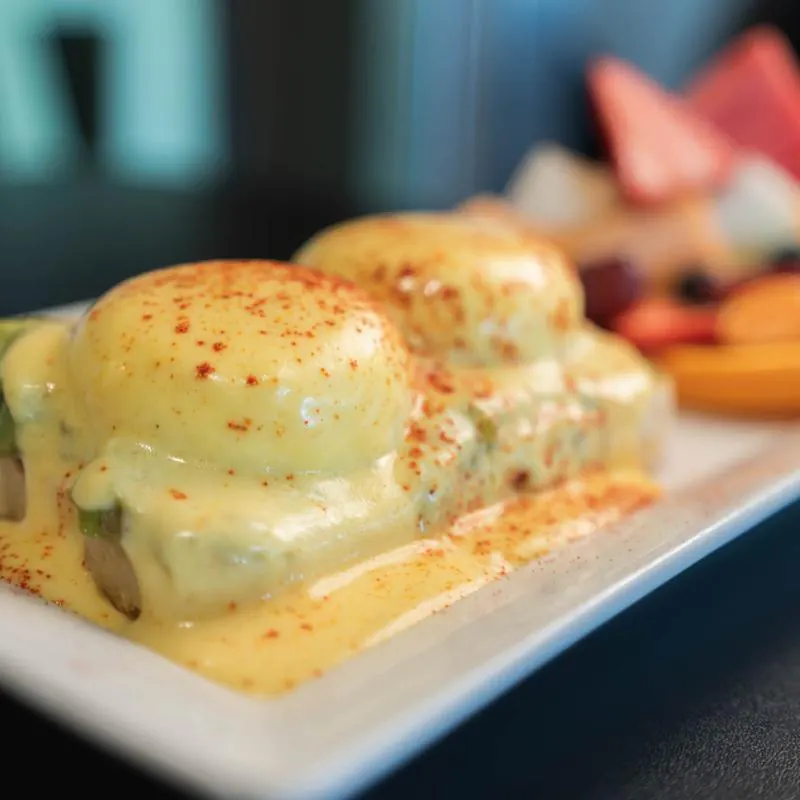
A café is generally an informal place to enjoy refreshments and a meal. Bennies Cafe in Monument serves breakfast and lunch in a counter-service setting, with options including eggs Benedict, sandwiches and crepes. Guests can eat in or arrange pickup.
What is the difference between a coffee shop and a café?
The terms often overlap. A coffee shop usually emphasizes coffee and other drinks, while a café may offer a broader food menu. Check the individual establishment's menu rather than relying on its name. Bennies Cafe offers coffee drinks alongside breakfast and lunch dishes.
What is the difference between café and coffee?
In everyday English, a café is a place where people buy food and drinks, while coffee is the beverage. The word café comes from the French word for coffee. Bennies Cafe serves options such as brewed coffee, espresso and lattes as part of its drinks menu.